Executive Briefing
- Legacy modernization bottlenecks are increasingly bypassed using generative AI and advanced code-understanding models.
- Automated refactoring tools drastically reduce technical debt, mapping monolithic architectures to cloud-native microservices.
- Strategic integration of AI cuts migration timelines by up to 40% while preserving strict ACID transaction boundaries and compliance frameworks.
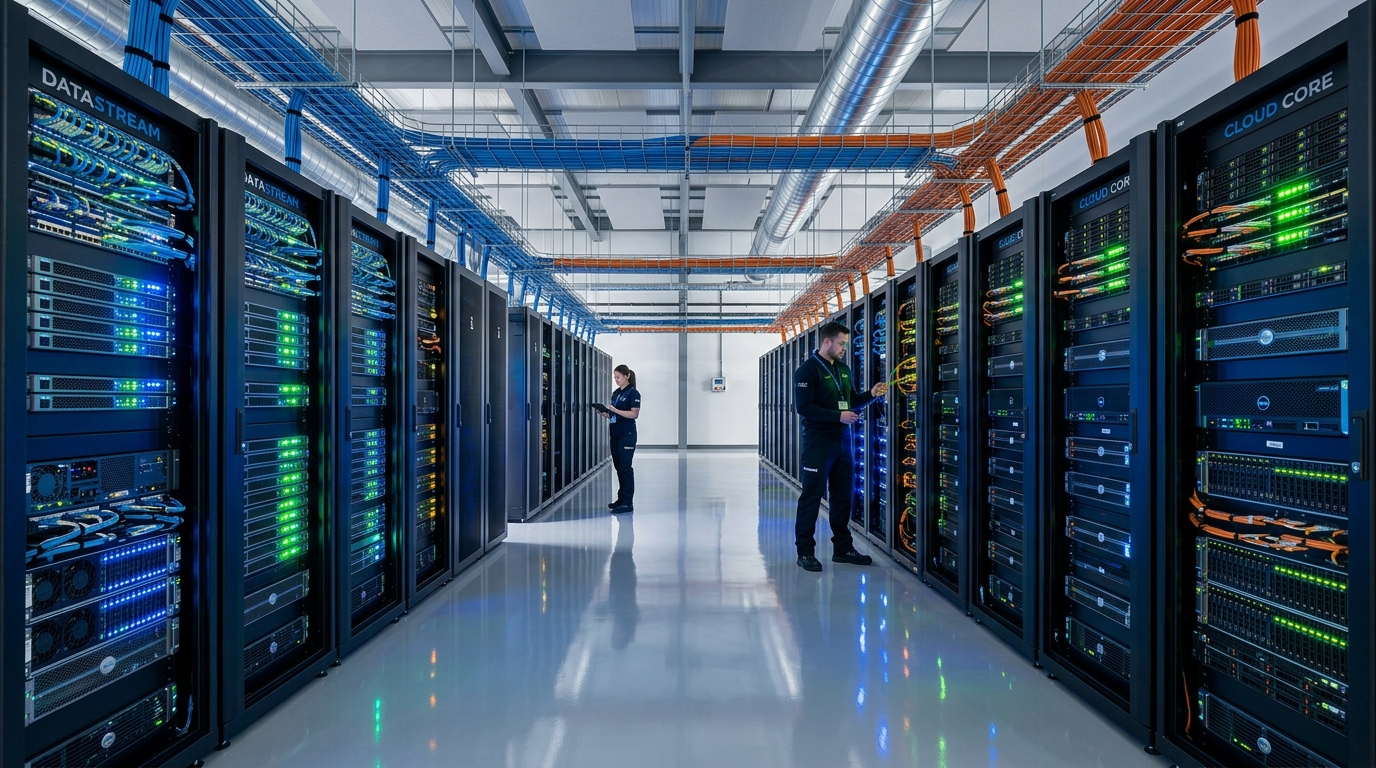
For decades, mission-critical enterprise workloads have remained anchored to monolithic on-premise infrastructure. Tied to custom COBOL, aging Java EE frameworks, or poorly documented relational database schemas, organizations face a stark dilemma: maintain brittle legacy systems that stymie digital transformation, or commit to multi-year, high-risk migration projects prone to budget overruns. However, recent breakthroughs in AI-driven software engineering – pioneered by labs such as IBM Research – have radically shifted the economics of enterprise cloud modernization.
The Technical Complexity of Legacy Cloud Migration
Traditional lift-and-shift strategies fail to capture the true value of cloud computing. Merely moving an antiquated application to an EC2 instance or virtual machine retains tightly coupled dependencies, lacks horizontal scalability, and perpetuates high infrastructure licensing costs. True modernization requires refactoring: transforming monolithic business logic into stateless API microservices, decoupling persistence layers, and implementing event-driven architectures backed by managed serverless components or Kubernetes orchestration clusters.
Yet, manual refactoring requires deep tribal knowledge. Original developers have long since departed, documentation is sparse, and undocumented side-effects lurk within millions of lines of procedural code. Enterprise architects must map complex call graphs, database constraints, and external integrations without disrupting live production environments.
How AI Transforms Codebase Analysis and Refactoring
Modern Large Language Models (LLMs) and code intelligence systems excel at parsing sprawling enterprise repositories. By training domain-specific models on internal codebases and proprietary APIs, organizations can automate several foundational pillars of the migration lifecycle:
- Automated Call Graph Generation: AI models analyze cross-module dependencies, mapping execution paths and exposing hidden tight coupling between business logic and legacy database schemas.
- Code Translation & Modernization: Routine translation of procedural code blocks into modern, idiomatic TypeScript, Go, or Python microservices with preserved business rule fidelity.
- Test Suite Generation: AI automatically generates comprehensive unit and integration test coverage based on legacy execution outputs, ensuring regression safety during refactoring.
Custom Enterprise Software & Cloud Modernization
Partner with InfusionicSoft to architect high-performance cloud applications, API microservices, and bespoke enterprise systems.
Enterprise Implementation Checklist
Executing an AI-assisted cloud migration requires rigorous governance, security oversight, and architectural discipline. Below is a foundational checklist for enterprise engineering leaders:
| Phase | Action Item | Enterprise Benefit |
|---|---|---|
| 1. Discovery | Deploy AI code scanners to map legacy dependencies and dead code. | Reduces scope by filtering unused legacy modules. |
| 2. Architecture | Design target cloud topology (Kubernetes, Serverless, Event Bus). | Ensures elastic scalability and zero-downtime deployments. |
| 3. Refactoring | Utilize LLMs for automated microservice stubbing and syntax translation. | Accelerates development velocity by up to 40%. |
| 4. Validation | Run automated regression tests against parallel legacy outputs. | Guarantees transactional integrity and zero data loss. |
Enterprise FAQ
How do AI migration tools handle proprietary, highly secure enterprise codebases?
Enterprise-grade AI code refactoring platforms are deployed within secure virtual private clouds (VPCs) or on-premise air-gapped environments. This ensures proprietary source code is never exposed to public training sets, satisfying strict regulatory and compliance standards like SOC2, HIPAA, and GDPR.
What is the typical ROI timeline for an AI-assisted cloud migration?
While upfront infrastructure restructuring requires investment, organizations typically realize positive ROI within 12 to 18 months through drastically reduced server maintenance overhead, lower software licensing costs, and accelerated feature deployment cycles.
How are database migrations managed alongside application code refactoring?
Database migrations utilize a strangler fig pattern, whereby data synchronization pipelines replicate legacy database changes to modern cloud data stores (such as distributed SQL or NoSQL databases) in real-time, allowing incremental cutovers without system downtime.